

Practical Strategies to Cope with DPDR and Restore Balance
Our Strategies section on DPDR offers practical techniques to help you manage the symptoms of Depersonalization-Derealization Disorder. Here, you’ll find a variety of strategies such as mindfulness exercises, grounding techniques, and cognitive approaches to reduce the impact of dissociative experiences. We also provide expert advice on how to navigate the challenges of DPDR while staying connected to your values and daily life. Whether it’s learning how to defuse distressing thoughts or building resilience through small, manageable steps, these tools are designed to help you regain a sense of control.

From Isolation to Connection
Social exchange is crucial in managing DPDR, as feelings of isolation and detachment can be significant challenges. Building meaningful connections through open conversations with trusted friends or family members can provide emotional relief and foster understanding. Engaging in support groups or group therapy focused on DPDR offers additional benefits, such as connecting with others who share similar experiences. These interactions not only reduce feelings of loneliness but also allow participants to exchange coping strategies and receive encouragement from those who truly understand the condition.
To support this vital aspect of healing, the resources section of this website provides links to online communities, discussion forums, and support networks dedicated to DPDR. These spaces create a safe environment to connect, share experiences, and find encouragement for your journey toward recovery.

Taking regular breaks from overwhelming stimuli is important for managing DPDR, but withdrawing too much from daily activities can reinforce the sense of detachment and isolation.
Living in the Moment
Mindfulness can be a valuable tool for dealing with DPDR, as it helps shift focus to the present moment and strengthens the connection to your body and surroundings. DPDR is often accompanied by intense worry and rumination. Mindfulness interrupts this cycle by redirecting attention from frightening thoughts to immediate sensory experiences.
Start with short sessions of 5–10 minutes and gradually increase the duration. Don’t expect immediate results. Mindfulness is a process that becomes more effective with consistent practice.
1. Body-Scan Meditation
This exercise helps strengthen the connection to your body:
- Lie down comfortably or sit in a relaxed position.
- Slowly direct your attention to each part of your body, starting from your toes and moving up to your head.
- Notice any sensations—warmth, tingling, or even the absence of sensation.
- Avoid judging; simply observe.
The body scan helps rebuild awareness of your physical self and reduce feelings of detachment.
2. The 5-4-3-2-1 Technique
This grounding exercise shifts focus to your environment by using your senses:
- 5 things you see: Find and name 5 objects in your surroundings.
- 4 things you feel: Touch 4 surfaces (e.g., clothing, furniture, the floor) and notice their textures.
- 3 things you hear: Listen to 3 sounds in your environment.
- 2 things you smell: Identify 2 scents, like flowers or a cup of tea.
- 1 thing you taste: Eat or drink something and focus on its flavor.
This method anchors you in the present moment and reduces feelings of unreality.
Managing DPDR often requires a multifaceted approach that includes therapy, mindfulness, exercise, a balanced diet, and self-acceptance. While these strategies may not provide immediate relief or guarantee full recovery, they can help improve your ability to cope and maintain a sense of stability over time.
Breathing Practices
A significant factor that can worsen DPDR is hyperventilation. Rapid, shallow breathing, often in stressful or anxiety-inducing situations, leads to an imbalance in the blood’s CO2 levels and activates the sympathetic nervous system – the part of the nervous system responsible for the “fight or flight” response.

Sympathetic activation and its effects
The activation of the sympathetic nervous system leads to physical reactions such as increased heart rate and muscle tension, which can intensify the symptoms of depersonalization and derealization. Hyperventilation also alters the blood’s pH level, which can lead to dizziness, tingling, and feelings of faintness. These physical symptoms exacerbate the psychological distress and reinforce the vicious cycle of alienation.
Breathing control for symptom relief
Breathing regulation plays a key role in managing DPDR. By consciously breathing deeply, the sympathetic nervous system can be calmed, and physical symptoms can be alleviated. Breathing exercises help break the vicious cycle of hyperventilation and sympathetic activation, which can reduce both the physical and psychological symptoms of DPDR.
1. 4-7-8 Breathing
How to do it:
- Sit or lie down in a relaxed position.
- Close your mouth and inhale quietly through your nose for a count of 4.
- Hold your breath for a count of 7.
- Exhale slowly through your mouth for a count of 8.
- Repeat this cycle for 4-6 rounds.
Why it helps: The 4-7-8 technique helps reduce stress and anxiety by slowing down your breathing and relaxing the nervous system.
2. Diaphragmatic Breathing (Abdominal Breathing)
How to do it:
- Sit or lie down in a comfortable position.
- Place one hand on your chest and the other on your abdomen.
- Inhale deeply through your nose, allowing your diaphragm (not your chest) to expand and push your abdomen out.
- Exhale slowly and completely through your mouth, allowing your abdomen to fall.
- Repeat for 5-10 minutes.
Why it helps: This deep breathing exercise activates the parasympathetic nervous system (rest and digest), helping to calm the body and reduce hyperventilation.

Talk to someone you trust about what you’re experiencing.
If you’re concerned they’ll think you’re crazy, share some information with them, like this website — it’s a great starting point. Keep in mind that it’s a recognized condition. Finding someone nonjudgmental to talk to, especially when you’re struggling, can be really helpful.
The crucial Role of Exercise
While treatment approaches such as therapy and medication are invaluable, exercise emerges as a highly effective, natural tool for promoting recovery and restoring a sense of connection to both body and mind.

Regulation of Stress Response
DPDR is closely tied to the brain’s overactivation of the stress response system, particularly the hypothalamic-pituitary-adrenal (HPA) axis. Prolonged stress can cause this system to malfunction, leading to persistent feelings of detachment. Exercise helps to recalibrate this system by releasing endorphins, the brain’s natural “feel-good” chemicals, and reducing cortisol levels, which are typically elevated in people with DPDR. (Simeon et al., 2003)
Neuroplasticity and Reconnection
Regular physical activity promotes neuroplasticity, the brain’s ability to reorganize and form new neural connections. This is particularly significant for individuals with DPDR, as it fosters improved communication between brain regions involved in emotional regulation, perception, and bodily awareness. Over time, these changes can help alleviate the distorted self-perception and dissociation characteristic of DPDR. (de Sousa Fernandes et al., 2020)
Grounding Through Bodily Awareness
One of the hallmark symptoms of DPDR is a disconnection from the body. Exercise provides a tangible way to reconnect by increasing bodily awareness through movement. Activities like yoga, stretching, or even walking encourage mindfulness, which can anchor individuals to the present moment and their physical existence.
Boosting Serotonin and Dopamine
Exercise is known to enhance the release of neurotransmitters like serotonin and dopamine, which are essential for mood stabilization and feelings of pleasure. For those with DPDR, who often experience an emotional numbness or flat affect, this can restore a sense of vitality and emotional engagement. (Pahlavani, 2024), (Heijnen et al., 2016)
Reduction of Anxiety and Rumination
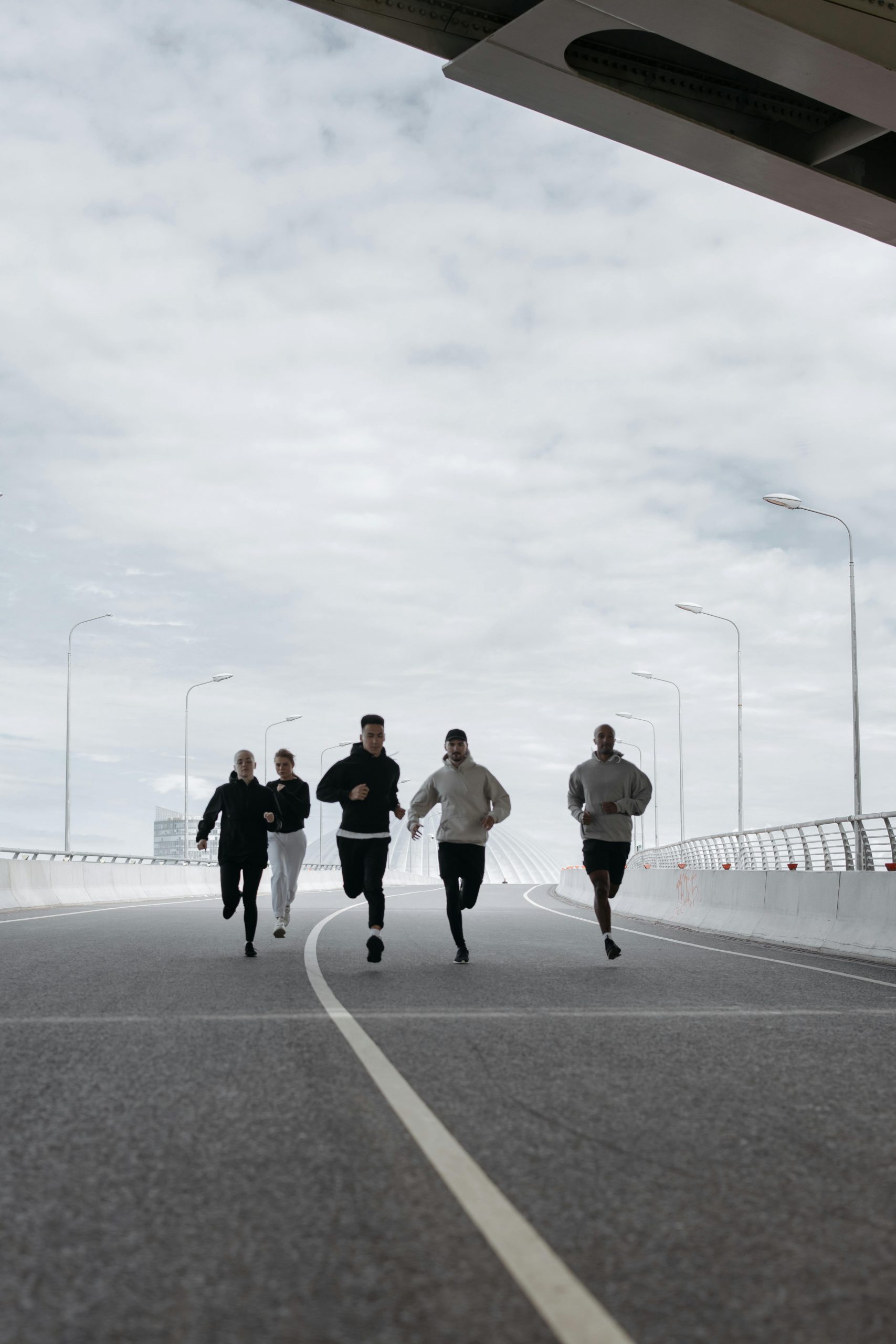
DPDR is frequently exacerbated by chronic anxiety and overthinking. Exercise reduces the intensity of these mental loops by offering a healthy distraction and physically burning off the excess energy that fuels anxiety. Activities like running or cycling can provide a rhythm that helps calm racing thoughts. (Henriksson et al., 2022)
Be Patient
While it may be difficult to hear, recovery requires time. The longer you consistently apply your recovery methods and strategies, the more effective they will become. Similar to exercise, it may take some time before noticeable progress occurs. By acknowledging that recovery is a gradual process, you can reduce stress and eliminate one more challenge to confront.
Reconnecting Mind and Body
Yoga is a holistic practice that combines mindful breathing, deliberate physical movements, and meditative focus to foster a strong connection between mind and body. For individuals experiencing DPDR, yoga can be particularly beneficial because it encourages presence and awareness of the body. By focusing on specific poses, you can create a sense of stability and grounding that helps counteract feelings of detachment or unreality.

Poses
Poses like Tree Pose (Vrksasana) and Mountain Pose (Tadasana) offer powerful ways to cultivate a sense of balance, stability, and inner strength. In Tree Pose, you balance on one leg while rooting firmly into the ground, symbolizing strength and grounding. This focus on stability helps foster a sense of security and balance, both physically and emotionally. Similarly, Mountain Pose encourages an upright, tall posture with mindful breathing, reinforcing a centered and grounded feeling. Both of these poses invite you to pay close attention to your body’s alignment, the sensation of your feet against the floor, and the rhythm of your breath—all of which help reduce feelings of disconnection and cultivate presence.
Warrior II (Virabhadrasana II) is an empowering pose that builds strength, focus, and resilience. With feet wide and arms extended, it symbolizes courage and stability. Engaging the legs and core while gazing forward fosters inner empowerment. Like Tree and Mountain poses, Warrior II encourages mindfulness of alignment and breath, helping you feel grounded and connected. Together, these poses promote strength, balance, and presence, reducing DPDR symptoms and enhancing overall well-being by alleviating stress, improving flexibility, and increasing body awareness.
Limit your screen time
as excessive use isn’t ideal for sensory experiences. Avoid constantly reading DPDR-related stories online, as they can heighten anxiety and make it seem more threatening. Instead, seek trustworthy information about DPDR, understand it thoroughly, and step away from endless online searches. Establish boundaries for screen usage and prioritize activities that rejuvenate both your mind and body.
Acceptance
Accepting DPDR can be difficult, but it’s key to healing. Instead of resisting feelings of detachment, acceptance means acknowledging them without judgment. This helps reduce fear and anxiety, allowing you to view DPDR as temporary rather than a defining part of who you are. By practicing acceptance, you stop adding extra distress and start to regain control, treating yourself with patience and compassion. It’s not about giving up, but about creating space for healing and reconnecting with yourself and the world around you.
1. Thought Diffusion Exercise
Goal: Help you distance yourself from distressing or intrusive thoughts that amplify DPDR symptoms.
Next Step: Remind yourself that thoughts are just thoughts; they don’t define you. Let them float away like clouds in the sky, without attaching meaning to them.
Exercise: When a thought related to depersonalization or derealization arises (e.g., “I don’t feel real”), acknowledge it without judgment. Then, add a silly word or phrase to the thought. For example, change “I feel unreal” to “I feel unreal… like a purple elephant.” This helps to see the thought as just a mental event rather than a reality.
2. Finding Meaning
Goal: Help you reconnect with what truly matters to you, even amidst the challenges of DPDR.
Next Step: Choose one small action that aligns with your values (e.g., calling a friend, engaging in a creative activity) and commit to doing it, even if it feels difficult. This helps you stay connected to your life’s meaning, despite the symptoms.
Exercise: Write down your core values—what truly matters to you in life (e.g., relationships, personal growth, creativity, health). Then, reflect on how you can take small, value-driven actions each day despite the presence of DPDR.
Beating DPDR takes a holistic approach — combining therapy, mindfulness, exercise, a nourishing diet, and self-acceptance to reclaim your sense of self and reconnect with reality.

Things to avoid: Recreational Drugs
For individuals experiencing DPDR, avoiding recreational drugs is crucial for mental well-being. Many substances either directly trigger DPDR or exacerbate the anxiety that sustains it. Recovery from DPDR often involves reducing stress, stabilizing mental states, and avoiding triggers — all of which can be disrupted by recreational drug use. Focusing on healthy coping mechanisms and professional support offers the best path to regaining a sense of self and reality.
Caffeine
Coffee, Energy drinks
Cannabis (THC)
Hallucinogens
LSD, MDMA, Psilocybin, DMT, 2C-B, Ketamine, PCP
Alcohol
Nicotine
Cocaine, Amphentamine
How Diet Impacts Mental Health
The connection between mental health and diet is increasingly recognized as a crucial component of overall well-being. What we eat profoundly influences brain function, mood, and emotional stability, as the nutrients in our diet serve as the building blocks for neurotransmitters and other key components of mental health.
Brain Function and Neurotransmitter Balance
Nutrients like omega-3 fatty acids, found in fish and flaxseeds, are critical for brain health and can reduce symptoms of depression. Amino acids from protein-rich foods are precursors for neurotransmitters like serotonin and dopamine, which regulate mood and motivation. (Grajek et al., 2022)
Gut-Brain Axis
The gut microbiome plays a significant role in mental health through its influence on the production of neurotransmitters and the immune system. A diet rich in fiber (fruits, vegetables, and whole grains) supports a healthy microbiome, reducing inflammation and anxiety. (Loh et al., 2024)
Blood Sugar Stability
Erratic blood sugar levels, often caused by diets high in refined sugars and processed foods, can lead to mood swings and irritability. Balanced meals with complex carbohydrates and proteins help maintain stable energy and mood. (Gomez-Pinilla, 2008)
Inflammation and Mental Health
Chronic inflammation is linked to conditions like depression. Diets high in processed foods and trans fats can increase inflammation, while anti-inflammatory foods like leafy greens, nuts, and olive oil can help reduce it. (Firth et al., 2019)

Mediterranean diet
The Mediterranean diet, rich in fruits, vegetables, whole grains, lean proteins (especially fish), and healthy fats like olive oil, is widely known for its mental health benefits. It has been associated with reduced risks of depression and anxiety, as well as improved cognitive function in older adults. The Mediterranean diet is high in omega-3 fatty acids, antioxidants, and anti-inflammatory compounds that help protect the brain and support emotional well-being. Its balanced, nutrient-dense approach is thought to help stabilize mood and support overall mental health.
Ketogenic diet
The ketogenic diet, which is high in fats and low in carbohydrates, has shown promise in improving brain function, particularly for conditions like epilepsy and neurodegenerative diseases. By shifting the body into ketosis, where it burns fat for fuel, the diet may help reduce inflammation and stabilize blood sugar, which can have a positive impact on mood and cognitive function. Recent studies also indicate that the ketogenic diet may play a role in treating mental illnesses, offering potential benefits for conditions such as anxiety, depression, and bipolar disorder by influencing brain energy metabolism and promoting neuroprotection.
(Sethi et al., 2024), (Paoli et al., 2013), (Rho & Sankar, 2008)